★★★★☆4.9(99 reviews)
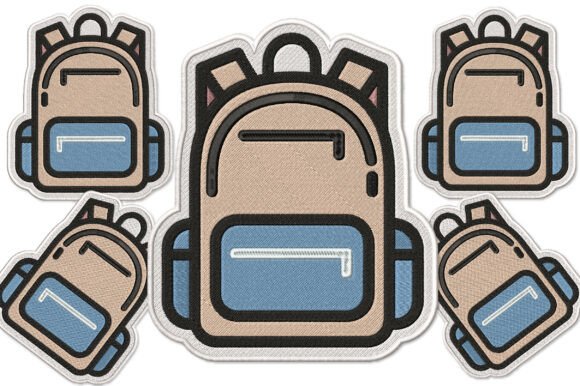
Cute Student Bag Patch Embroidery Review
Performance on Craft Fair Products
- Tote Bags: Works beautifully as a central motif or corner accent. Its soft tones don’t clash with natural or pastel fabrics, making it a strong contender for both eco-friendly tote bags and lined canvas styles.
- Aprons: Adds a cheerful touch without being too busy. Best placed near the pocket or lower hem to avoid interfering with functionality.
- Tea Towels: The design feels at home on cotton or linen tea towels. Its simplicity ensures it remains legible even when washed repeatedly.
- Embroidered Patches: Ideal for creating standalone patches that can be sewn onto backpacks, jackets, or denim. The friendly school theme appeals to younger buyers and nostalgic parents alike.
- Fabric Pouches & Pillow Covers: Scales down nicely to smaller formats. On pouches, it adds just enough character without becoming cluttered; on pillow covers, it brings warmth and personality to farmhouse-style décor.
- Caps: Curved surfaces require careful placement. While the design can work, it needs to be adjusted slightly in software to wrap around the cap shape smoothly.
Best Chances to Sell
- Mini fabric pouches with matching thread colors for a cohesive look.
- Backpack-style market bags that double as reusable shopping totes.
- Embroidered patches paired with a simple sewing kit or iron-on instructions for easy DIY options.
- Tea towels or aprons aimed at teachers or students looking for personalized, fun kitchen or classroom accessories.
Use Notes for Optimal Results
- Dense Stitch Areas: Inspect for tight clusters of stitches that could cause puckering. Use a tear-away or cut-away stabilizer depending on the fabric type.
- Tiny Details: The design includes delicate stitching, so ensure your machine can handle fine embroidery without skipping stitches.
- Small Lettering: Avoid shrinking the design beyond recommended limits, as lettering may become illegible. Test on scrap fabric to find the smallest usable size.
- Thick Fabric or Textured Towels: These can affect stitch definition. Choose medium-weight cotton or quilting cotton for the best results.
- Dark Fabrics: Thread contrast is essential. Soft colors may blend in too much on darker backdrops, so consider using brighter thread shades for visibility.
- Curved Surfaces: When embroidering on caps or curved bags, adjust the design using software tools to prevent distortion.
Real-World Designer Tips
- Test the design on scrap fabric to see how it reacts with your hoop size and stabilizer choice.
- Check thread contrast against your chosen fabric colors—especially if you plan to offer multiple colorways.
- Review spacing between elements to avoid overcrowding, particularly when placing it on smaller items like pouches or patches.
- Confirm the recommended hoop size and stitch count (if provided) to avoid issues during production.
- Inspect stitch density after testing—dense areas may need thinning or reinforcement.
- Use the correct stabilizer for your fabric to prevent stretching or warping during embroidery.
- Create at least one real mockup to evaluate how it looks in person and photograph it for your Etsy listing or craft fair display.
- Compare the design on different fabric colors to see which combinations enhance its appeal the most.
- If you plan to sell finished products, confirm that the design assets include commercial-use rights or purchase a separate license.
⬇️ Download Free
Free download · No sign-up required
🔗 You Might Also Like
Back To School
As an experienced embroidery designer with years of hands-on work in creating st...
Back To School
As an experienced embroidery designer, I'm always on the lookout for digital emb...
Back To School
As an experienced embroidery designer, I'm always on the lookout for creative, h...
Back To School
First Impressions of Cute Notebook Back to School When I unzipped the digital em...
Back To School
As an experienced embroidery designer, I'm always on the lookout for quality dig...
